Are Tritan Water Bottles Safe? Material, Dishwasher Use and Benefits

Are Tritan Water Bottles Safe? Material, Dishwasher Use and Benefits
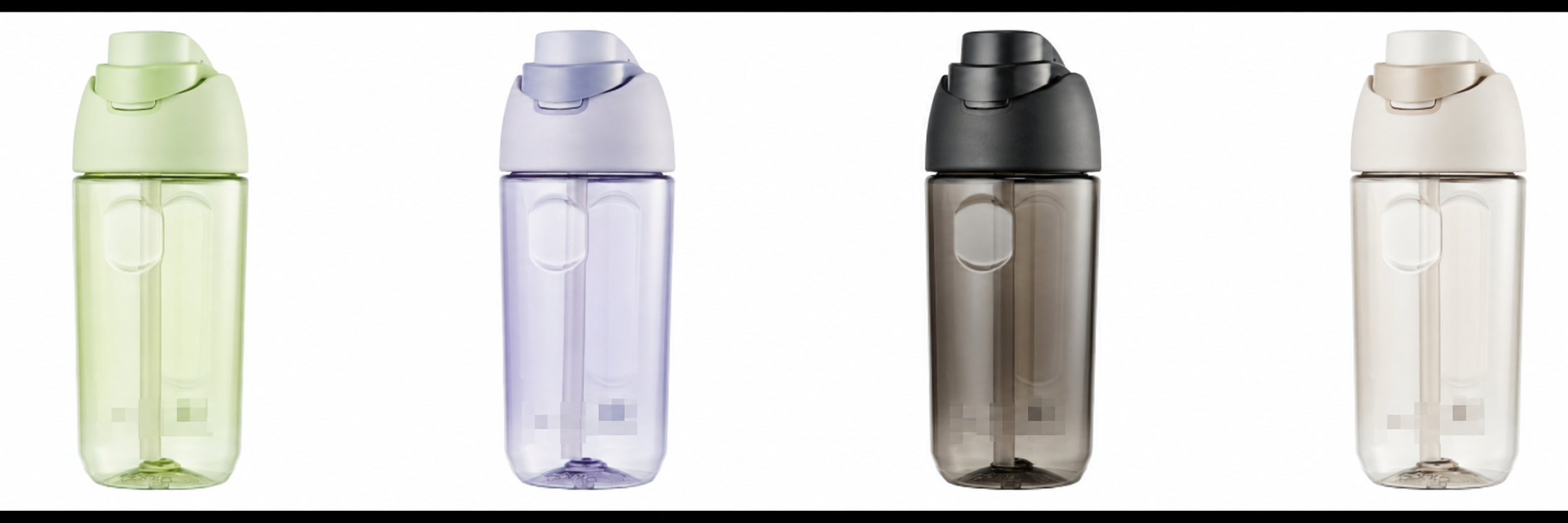
Tritan water bottles are widely used for sports, school, outdoor and everyday hydration because the material combines glass-like clarity, low weight and strong impact resistance.
But are Tritan water bottles safe—and can they go in the dishwasher?
Are Tritan Water Bottles Safe?
Yes, Tritan is considered suitable for reusable water bottles when the appropriate food-contact grade is selected and the finished product is manufactured and tested for its intended market.
Tritan is a transparent copolyester developed by Eastman. According to Eastman’s Tritan safety information, the material is made without BPA or BPS and is designed for repeated-use food-contact products.
However, material selection is only one part of product safety. A finished water bottle may also contain PP components, silicone seals, straws, colorants, printing and surface treatments. Each food-contact component must meet the applicable requirements of the target market.
For example, the U.S. Food and Drug Administration explains that manufacturers are responsible for ensuring food-contact materials comply with the specifications and conditions of their authorized use.
What Is Tritan Material?
Tritan is a type of BPA-free copolyester commonly used for:
-
Reusable water bottles
-
Sports bottles
-
Kids’ hydration products
-
Food-storage containers
-
Reusable cups and tumblers
-
Kitchen and household products
It provides the clear appearance of glass while remaining lighter and more resistant to breaking during everyday use.
This combination makes Tritan particularly suitable for brands that want to position a reusable plastic water bottle above standard translucent or lower-cost plastic products.
Are Tritan Water Bottles Dishwasher Safe?
Many Tritan grades are designed to provide good performance in dishwasher environments. The material offers chemical resistance and hydrolytic stability, helping it withstand heat, moisture and dishwasher detergents.
However, whether a complete Tritan water bottle is dishwasher safe depends on more than the bottle body.
The following components must also be considered:
-
Lid material and internal structure
-
Silicone seals and straws
-
Printed logos and decorative finishes
-
Assembly method
-
Dishwasher temperature and cycle
-
Position inside the dishwasher
A Tritan bottle body may perform well in a dishwasher while its printing, lid or other components require different care. Consumers should therefore follow the cleaning instructions provided with the finished product.
For brands developing dishwasher-safe drinkware, the complete bottle—not only the raw material—should be tested under the intended conditions.
What Are the Main Benefits of Tritan Water Bottles?
1. Made Without BPA and BPS
Tritan is made without BPA and BPS, making it a popular material for modern reusable drinkware and food-contact applications.
Finished products should still be evaluated according to the regulations and testing requirements of their destination market.
2. Glass-Like Clarity
Tritan offers high transparency and a clean, premium appearance. Brands can use clear, tinted or transparent colors to create distinctive hydration products without losing visibility of the liquid inside.
3. Strong Impact Resistance
A reusable bottle may be dropped at school, knocked over at the gym or carried inside an outdoor bag. Tritan’s toughness helps the bottle resist cracking and breaking during normal everyday use.
Actual durability also depends on bottle structure, wall thickness and molding quality.
4. Resistant to Stains and Odors
Tritan has a smooth, nonporous surface and good resistance to common stains and odors. This makes bottles easier to clean and helps prevent flavors from remaining after washing.
Regular cleaning is still important, especially around straws, seals, threads and other areas where liquid can collect.
5. Suitable for Different Hydration Scenarios
Tritan can be used across a wide range of water bottle designs, including:
-
One-handed sports bottles
-
Flip-straw water bottles
-
Chug-lid bottles
-
Kids’ school bottles
-
Large-capacity gym bottles
-
Outdoor hydration products
-
Everyday commuting bottles
The material can also be combined with different lid structures, handles, straps and accessories to support a complete product family.
Tritan vs PP: Which Is Better for Water Bottles?
Tritan and polypropylene, commonly known as PP, serve different purposes in drinkware development.
| Feature | Tritan | PP |
|---|---|---|
| Appearance | Crystal clear | Usually translucent or opaque |
| Impact resistance | Excellent | Good |
| Weight | Lightweight | Very lightweight |
| Heat resistance | Depends on grade and application | Generally good |
| Cost | Higher | More economical |
| Common use | Premium bottle bodies | Lids, shakers and accessories |
Tritan is often preferred when clarity, durability and premium appearance are priorities. PP is a practical option for lids and functional components because it is lightweight, flexible and cost-effective.
Many successful water bottle designs use both materials: Tritan for the transparent bottle body and PP for the lid.
Is Tritan Better Than Standard Plastic?
Tritan is itself a plastic, so the more useful question is whether it is better than another specific material for a particular product.
Compared with some standard transparent plastics, Tritan can provide a stronger balance of:
-
Clarity
-
Impact resistance
-
Chemical resistance
-
Dishwasher durability
-
Stain and odor resistance
-
Premium appearance
However, the best material depends on the bottle’s target price, use scenario, market requirements and expected performance. A higher material cost does not automatically guarantee a better finished product.
How Gomont Develops Custom Tritan Water Bottles
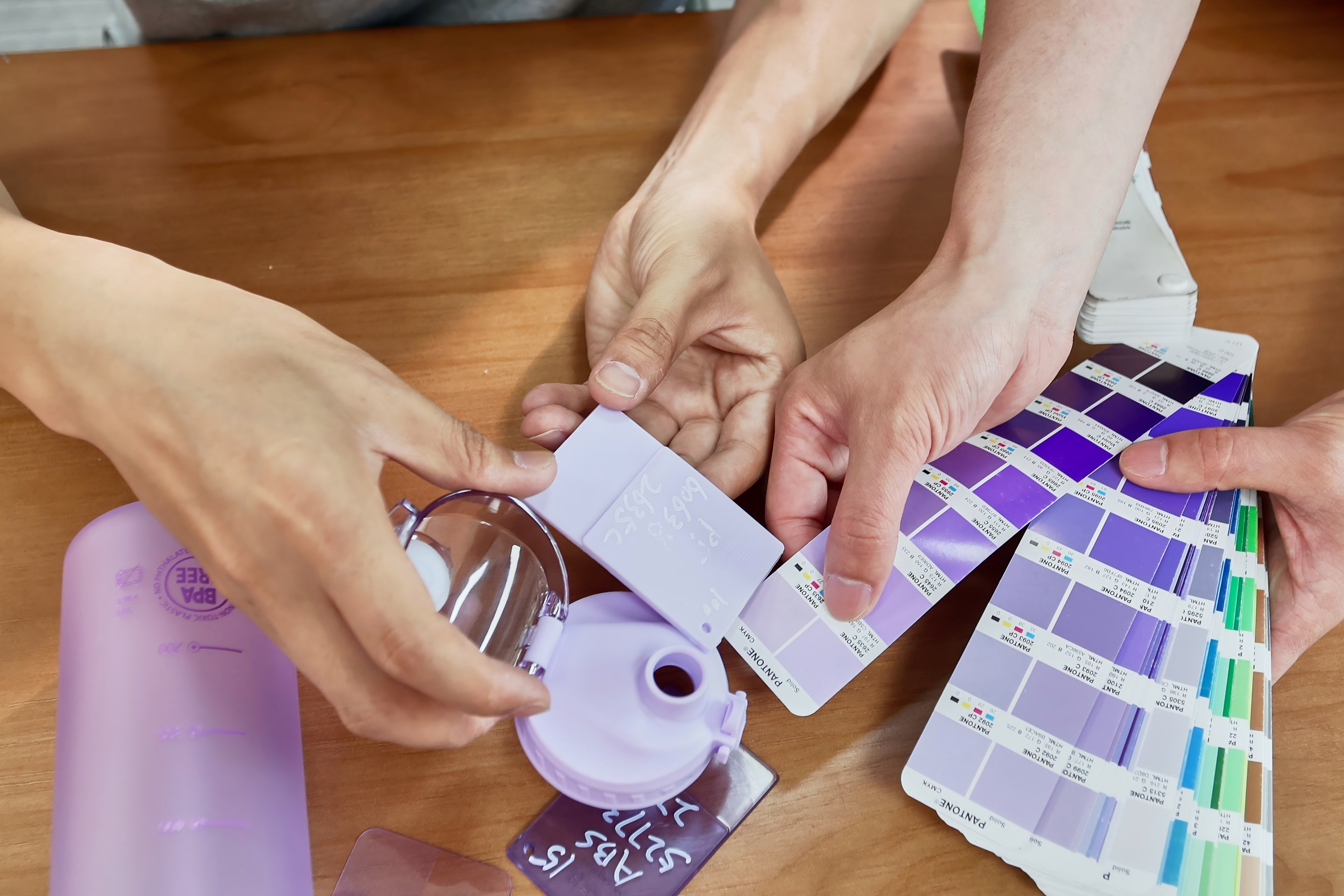
As an OEM and ODM water bottle manufacturer, Gomont evaluates the complete product—not only the resin.
Our development process considers:
-
Target consumer and hydration scenario
-
Material grade and food-contact requirements
-
Bottle structure and wall thickness
-
Lid, seal and drinking system
-
Tooling and molding performance
-
Drop, leakage and dishwasher testing
-
Decoration and mass-production stability
This integrated approach helps global brands develop Tritan water bottles that balance appearance, usability, durability and manufacturing cost.
Frequently Asked Questions
Does Tritan contain BPA?
Tritan is made without BPA and BPS. Brands should use verified material grades and ensure all finished product components meet the requirements of the destination market.
Can Tritan bottles hold hot water?
The answer depends on the selected Tritan grade, bottle structure and intended temperature conditions. The material specification and finished-product test results should be confirmed before making a temperature claim.
Can Tritan water bottles go in the dishwasher?
Many Tritan bottle bodies can support dishwasher use, but the lid, seals, straw and decoration must also be suitable. Always follow the finished product’s care instructions.
Do Tritan bottles retain odors?
Tritan offers good odor and stain resistance. However, bottles should still be cleaned regularly, especially after holding flavored, sugary or dairy-based beverages.
Is Tritan suitable for sports bottles?
Yes. Its clarity, low weight, impact resistance and design flexibility make Tritan a strong option for reusable sports bottles and outdoor hydration products.
Choosing the Right Material for a Better Bottle
Tritan is a strong choice for reusable water bottles because it combines BPA-free formulation, glass-like clarity, impact resistance and convenient cleaning.
But a reliable bottle requires more than a recognized material name. The correct grade, product structure, lid design, tooling, production control and finished-product testing must work together.
At Gomont, we combine material knowledge with industrial design, engineering, tooling and manufacturing to turn hydration ideas into reliable, market-ready products.
Better materials. Better engineering. Built to last.
How to Choose the Right Tritan Bottle and Sports Bottle Supplier
From Concept to Production: How a Water Bottle Is Developed