How to Test the Sealing Performance of a Tritan Water Bottle

How to Test the Sealing Performance of a Tritan Water Bottle
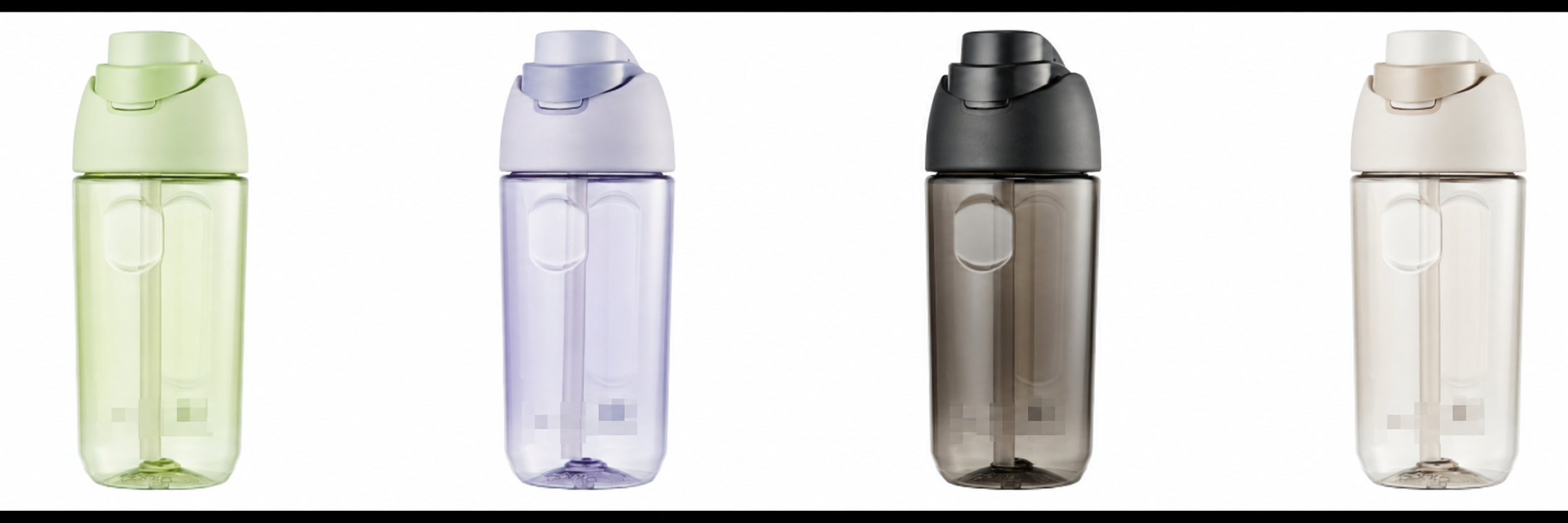
For a Tritan bottle, water bottle, sports bottle or reusable bottle, reliable sealing performance is essential. A well-designed leak-proof water bottle should remain secure during daily use, transportation, exercise and cleaning.
Testing should cover the complete bottle system, including the bottle body, lid, silicone gasket, drinking spout and straw connection.
1. Visual Inspection
Before testing, inspect the bottle and lid carefully.
Check whether:
- The silicone gasket is correctly installed
- The gasket is free from cuts, deformation or dirt
- The lid threads are complete and undamaged
- The drinking spout is properly assembled
- The locking mechanism closes correctly
Any visible gap or misplaced sealing ring may affect the performance of the reusable bottle.
2. Static Leak Test
Fill the Tritan water bottle with water and close the lid completely. Place the bottle upright and leave it for a fixed period.
Then check the bottle body, lid, drinking opening and straw connection for any signs of water leakage. This basic test helps identify problems with the initial sealing structure.
3. Upside-Down Test
Turn the closed water bottle upside down and place it on a clean, dry surface.
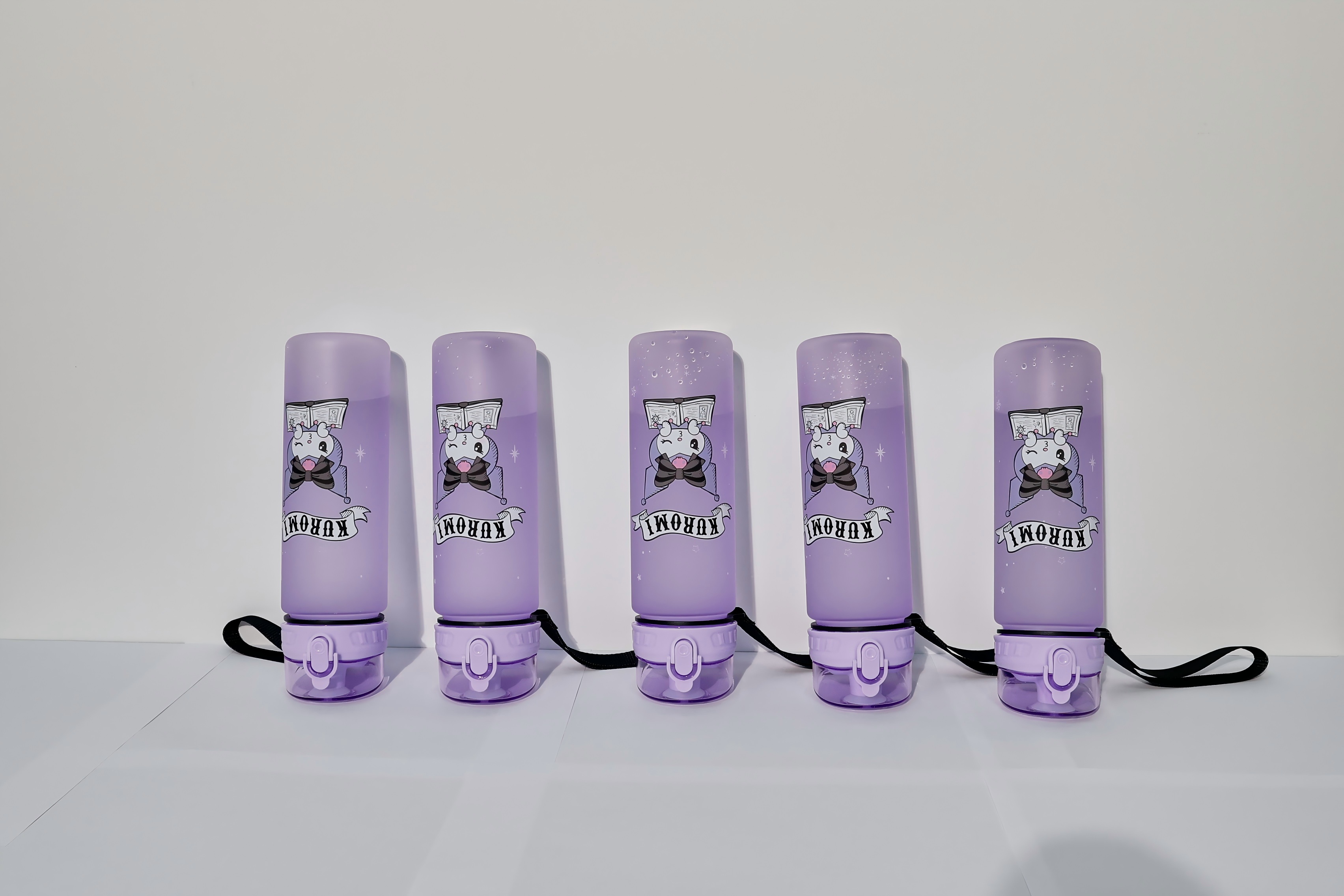
Keep it upside down for several minutes and check whether water escapes around the lid, spout or straw. This test is particularly important for sports bottles and school water bottles, which may be placed in different positions during daily use.
4. Shake and Movement Test
A reusable bottle may move continuously inside a backpack, handbag or sports bag. To simulate real use, fill the bottle, close the lid and shake it in different directions.
The bottle should then be inspected for:
- Water around the lid
- Leakage from the drinking spout
- Gasket displacement
- Accidental lid opening
This test provides a more realistic evaluation than a simple static test.
5. Pressure Test
Some water bottles, especially bottles with straws or squeeze functions, may experience internal pressure during use.
Apply controlled pressure to the bottle or use professional leak-testing equipment to check whether air or water escapes from the sealing areas. The test pressure should be determined according to the bottle structure and intended use.
6. Drop and Impact Test
A Tritan bottle may be dropped when used outdoors, at school or during sports. After the drop test, inspect the bottle, lid, gasket and locking parts.
The bottle should then be refilled and tested again to confirm that the impact has not affected its leak-proof performance.
7. Repeated Opening and Closing Test
The lid of a water bottle is opened and closed many times during its service life. Repeated cycle testing helps evaluate whether the threads, hinge, locking mechanism and silicone gasket remain functional after long-term use.
After the test, perform the static and upside-down leak tests again.
8. Temperature and Cleaning Test
Temperature changes, hot water and dishwasher cleaning may affect the lid and gasket. After temperature or cleaning tests, check whether the gasket has become hard, loose or deformed.
The bottle should be tested again after cleaning to confirm that it continues to provide reliable sealing performance.
Conclusion
Testing the sealing performance of a Tritan bottle should include visual inspection, static testing, upside-down testing, shaking, pressure, impact, cycle and cleaning tests.
A professional testing process helps manufacturers identify leakage risks before mass production. By combining accurate engineering, reliable silicone gaskets and realistic testing, brands can develop leak-proof water bottles, sports bottles and reusable bottles that are safer and more dependable for everyday use.
How to Control the Color of Different Components on Tritan and Sports Water Bottles
How to Make a Tritan Water Bottle Leak-Proof