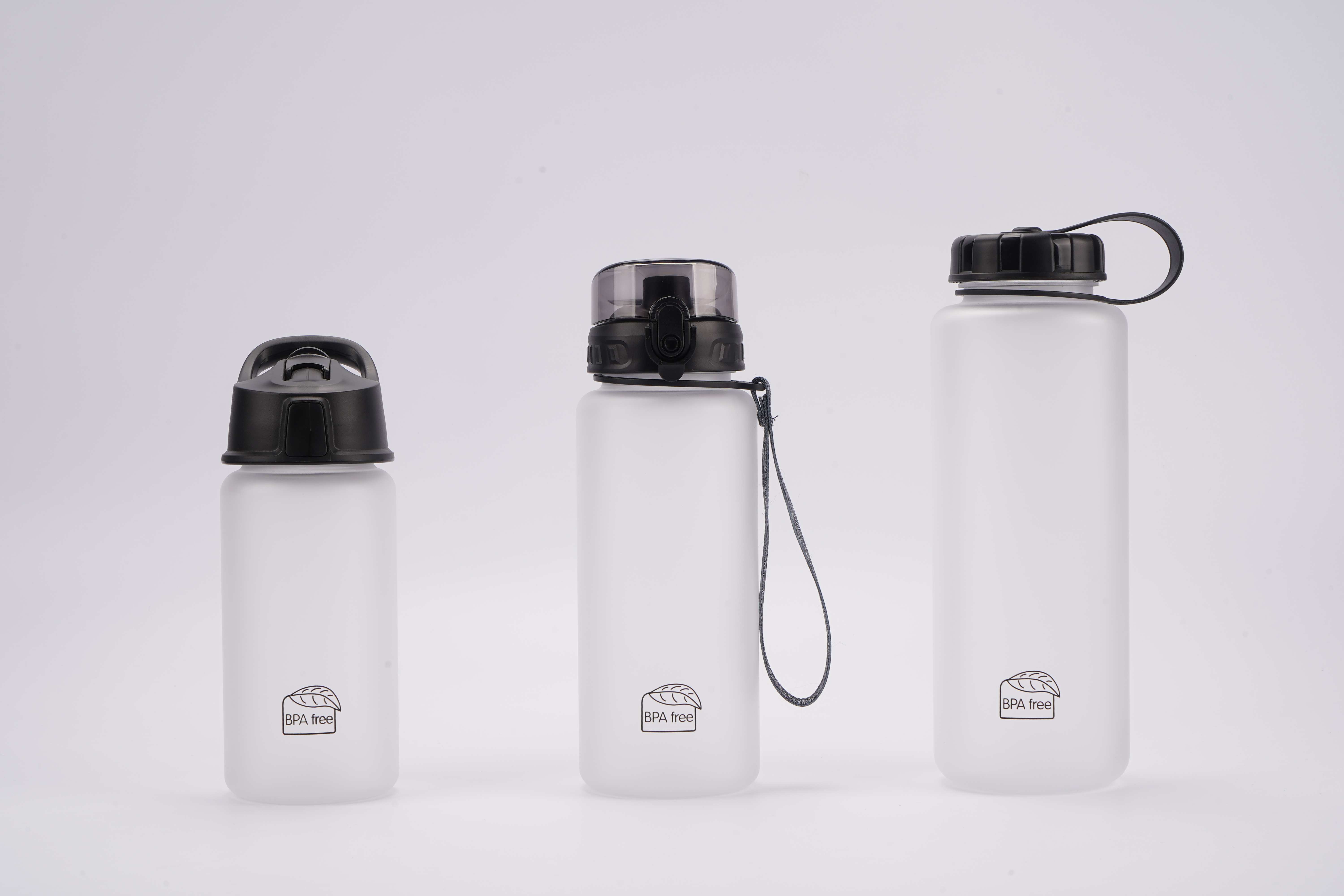
How to Choose a Tritan Water Bottle Manufacturer for Your Brand
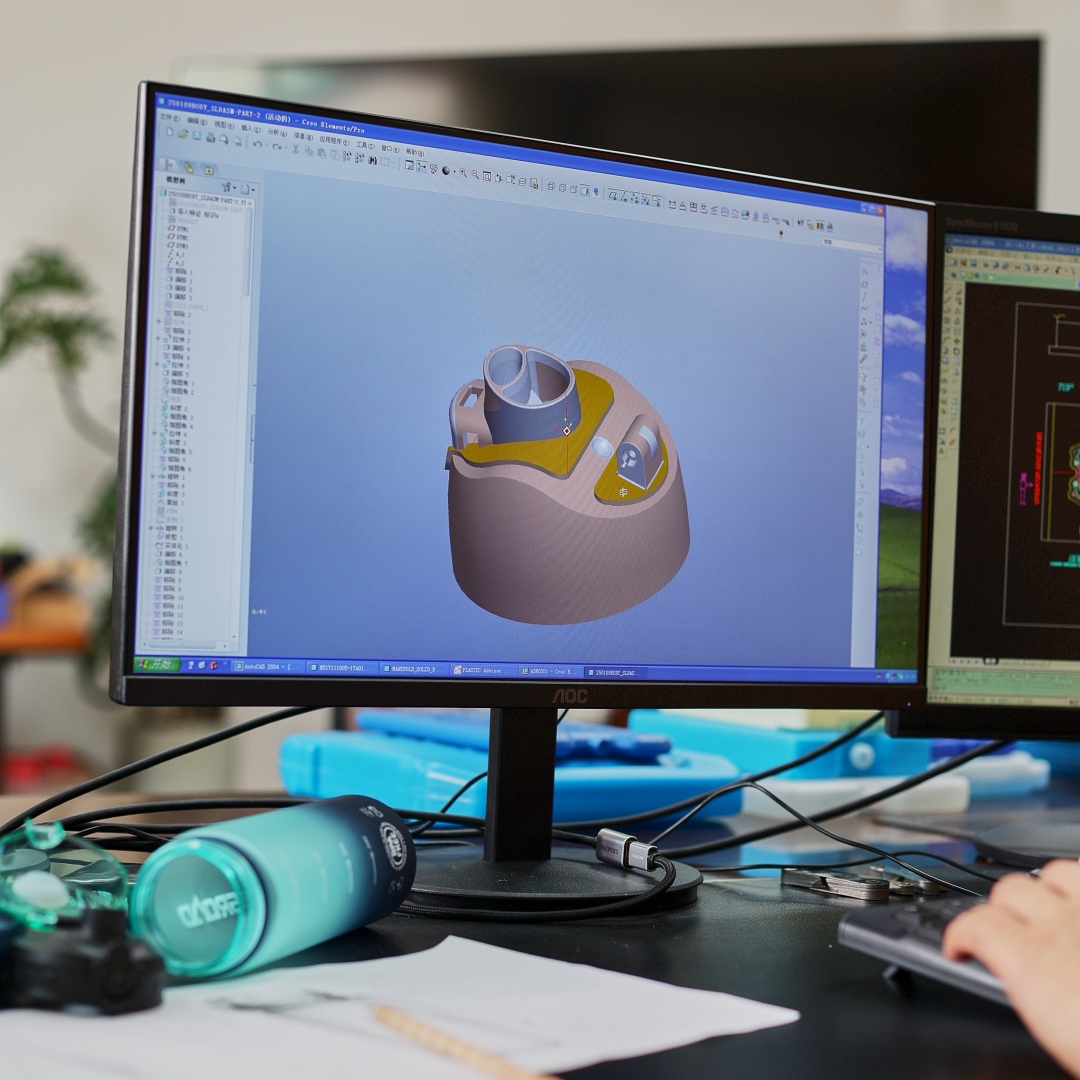
Choosing a Tritan water bottle manufacturer means choosing a partner who can turn your product brief into consistent, repeatable production.
For brand sourcing managers in Europe, the United States and Australia, the decision goes beyond appearance and unit price. Material traceability, lid performance, market documentation and reliable repeat orders all affect whether a reusable water bottle succeeds after launch.
The right manufacturer should be able to explain what materials they use, how they control quality, which documents support your target market and how they keep bulk production consistent with your approved sample.
Here are the key questions to ask before placing an order.
1. Does the Manufacturer Understand How Your Customers Will Use the Bottle?
Start with the intended user and everyday use.
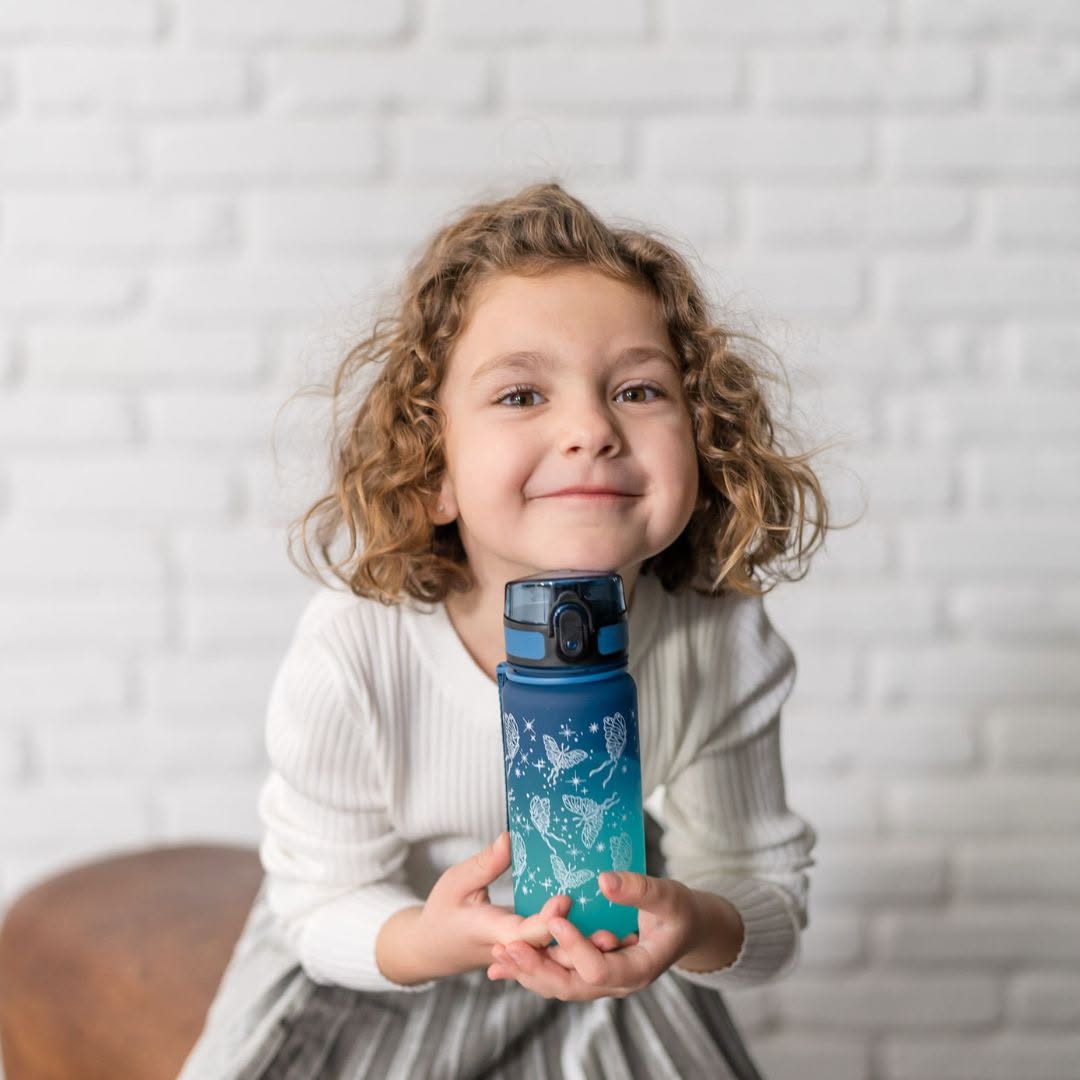
A sports bottle carried in a gym bag has different requirements from a kids’ water bottle opened repeatedly at school. An outdoor bottle may need a secure carry loop and easy operation, while a lifestyle range may place greater emphasis on clarity, colour and shelf presentation.
Give potential suppliers a clear brief covering:
- Target users, sales channels and destination markets.
- Capacity, bottle dimensions and preferred drinking style.
- Expected drinks, temperatures and cleaning methods.
- Leak resistance, durability and packaging requirements.
- Target price, launch date and expected order quantities.
A capable manufacturer should ask practical questions about these details before recommending a bottle.
For example, if your customers need easy cleaning, discuss access to the drinking spout, removable seals and the number of parts requiring separate washing.
2. Can They Verify the Material Used in Your Tritan Bottle?
A clear bottle is not enough to confirm material identity.
Ask your Tritan water bottle manufacturer to specify the resin grade and provide supporting sourcing and traceability records. The quotation and approved specification should identify the agreed material clearly.
The same attention should extend to the complete product. A reusable water bottle may include a separate lid material, silicone seals, a straw, colourants and metal components.
Before approval, request:
- A material list for the bottle and its components.
- Relevant material specifications and supporting documents.
- A method for tracing materials to production batches.
- Written approval before any material substitution.
Material selection should be documented at the component level, rather than described only as “food-grade plastic.”
This gives your team a clearer basis for testing, product claims and future repeat orders.
3. Can They Support Your Target Market’s Compliance Review?
A supplier’s existing test report is a starting point. Check whether it covers your actual product, materials and intended conditions of use.
For EU markets, the European Commission identifies Regulation (EC) No 1935/2004 as the general food-contact framework, with additional measures including Regulation (EU) No 10/2011 for plastic food-contact materials and articles. Relevant documentation includes a Declaration of Compliance where required. European Commission
For the United States, ask the supplier to identify the applicable food-contact regulatory basis for the materials and intended use, rather than relying on a general “FDA” statement. FDA food-contact authorizations are tied to defined uses and conditions. nasa.gov
For Australian projects, agree on the evidence your importer, retailer and testing partner require. Food Standards Australia New Zealand provides guidance on food-packaging safety, but that guidance should not be treated as a finished-bottle certification. foodstandards.gov.au
When reviewing documents, check:
| What to check | Why it matters |
|---|---|
| Product identification | Confirms which sample or component was assessed |
| Materials and colours covered | Helps identify differences from your proposed version |
| Test conditions | Shows whether the assessment reflects intended use |
| Report scope and date | Helps determine whether further review or testing is needed |
| Production traceability | Connects supporting evidence with the goods supplied |
Define the test plan before production, especially when changing materials, colours, decoration or product construction.
4. How Do They Control Lid Fit and Leak Performance?
Customers experience the bottle as a complete assembly. The lid, threads, seals and drinking mechanism all need to work together.
Ask how the manufacturer controls critical dimensions and checks assembly consistency. A seal that works on one sample may behave differently if moulding variation changes its compression.
Useful questions include:
- How are bottle-neck and lid dimensions checked?
- How are silicone seal dimensions and hardness controlled?
- What leak-test method is used?
- Are tests performed after repeated opening and closing?
- How are failures recorded and corrected?
“Leak-proof” should have an agreed test method behind it. Define the bottle’s fill level, orientation, test duration and acceptance criteria so both teams assess performance in the same way.
5. Can Their Tooling and Engineering Team Support Your Design?
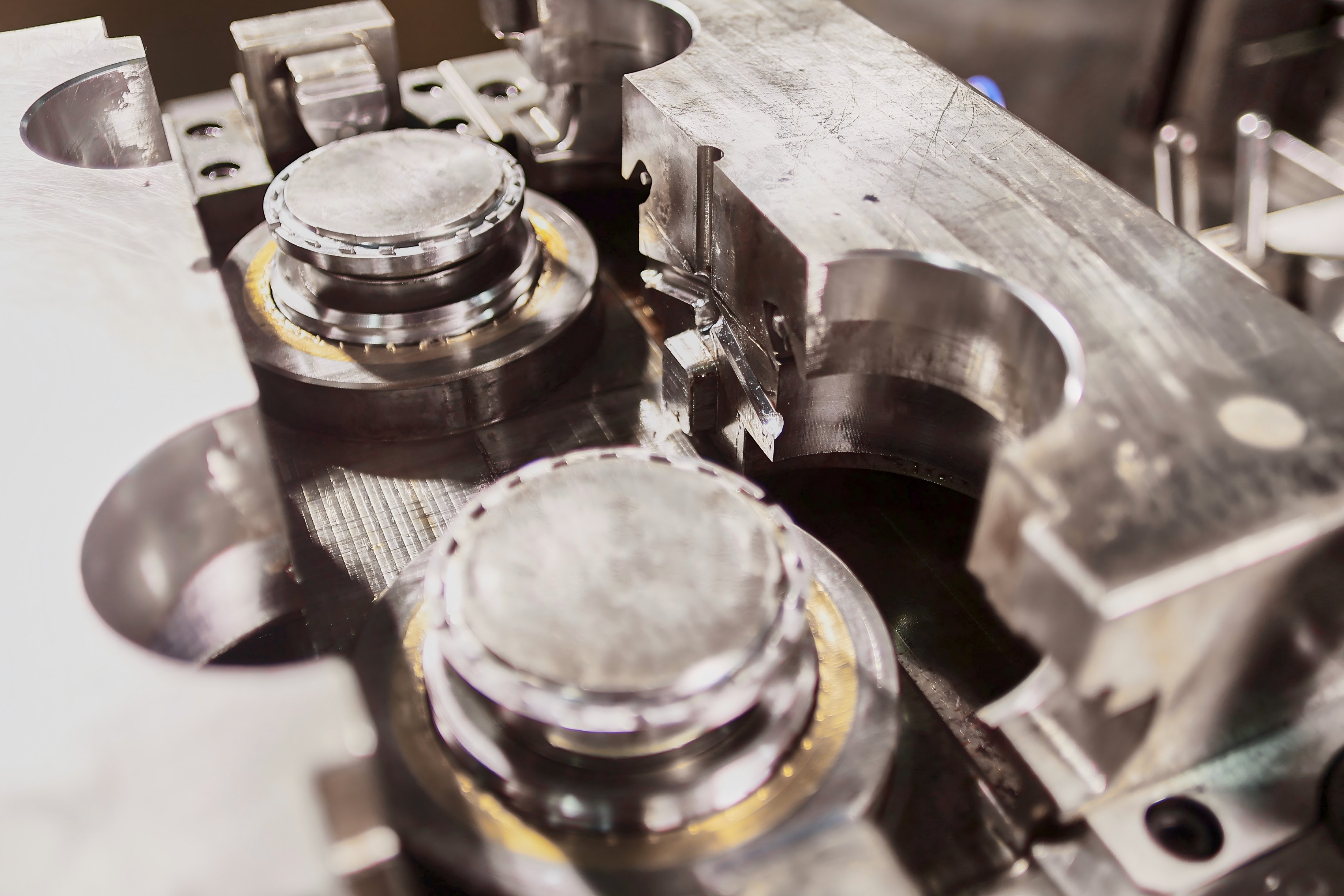
For an OEM or ODM water bottle project, tooling capability influences both development and repeatability.
Ask whether the supplier can review your design for manufacturing, explain potential fit issues and manage mould maintenance or modifications.
For an existing bottle, clarify which changes are straightforward and which require tooling work.
| Customisation | Points to confirm |
|---|---|
| Bottle and lid colours | Colour references, tolerances and approval samples |
| Printed graphics | Artwork position, colour matching and durability checks |
| Embossed or debossed logo | Tooling cost, location and achievable detail |
| Lid changes | Fit, operation, testing and development time |
| New bottle shape | Tool ownership, development stages and maintenance |
| Packaging | Dimensions, protection, artwork and packing method |
For custom tooling, agree in writing on ownership, access, maintenance responsibilities and design confidentiality.
6. What Evidence Supports Their Quality Claims?
Ask to see how quality is checked during production, not only how the final sample looks.
A practical inspection plan may include:
- Incoming material and component checks.
- Bottle dimensions, weight and visual appearance.
- Lid operation and assembly checks.
- Leak and drop tests under agreed conditions.
- Repeated opening and closing tests.
- Print adhesion and abrasion checks.
- Cleaning-cycle checks where relevant to the product claim.
Dishwasher suitability should be assessed for the finished bottle, including its lid, seals and decoration. Agree on the test conditions and resulting care instructions before adding a dishwasher-safe claim.
Likewise, if a lid contains metal springs or pins, ask whether the test plan addresses their exposure to moisture.
Every performance claim should connect to a defined specification and supporting evidence.
7. Will Repeat Orders Match the Approved Sample?
A successful first order needs to become a reliable second order.
Ask how the manufacturer retains approved samples, controls colour standards and records production specifications. Establish how changes to materials, tooling, components or production processes will be communicated.
Before bulk production, approve a reference sample and a written specification covering:
- Materials and component construction.
- Dimensions, weight and capacity.
- Colour and decoration.
- Functional acceptance criteria.
- Packaging and carton details.
Clarify minimum order quantities by model, colour and decoration. A low overall MOQ may still involve separate minimums for lids, printed designs or packaging.
8. Are You Comparing the Full Cost?
Two quotations can look similar while covering different products or responsibilities.
Compare the agreed specification alongside the price:
| Cost factor | What to clarify |
|---|---|
| Materials | Exact materials and grades included |
| Decoration | Printing method, colours and artwork coverage |
| Development | Tooling, modifications and sample charges |
| Testing | Included assessments and additional costs |
| Packaging | Individual packs, labels and export cartons |
| Delivery | Trade terms and production milestones |
| Quality issues | Inspection, corrective action and replacement arrangements |
The most useful quotation makes these assumptions visible. That helps your team judge value and reduces surprises during development.
Working With Gomont
Gomont supports OEM and ODM hydration projects with mould-development experience, engineering support and customisation across plastic and stainless steel drinkware.
For a Tritan water bottle project, we start with the intended user, product requirements and target market. From there, we can discuss existing bottle options or development needs, including lid construction, colours, decoration and packaging.
Looking for a Tritan water bottle manufacturer for your brand?
Share your target market, capacity, preferred lid, estimated quantity and launch timing with Gomont. We can help turn your brief into a clear product specification and sampling plan.
A Familiar Design, Refined: Updating a Water Bottle Lid