How to Make a Tritan Water Bottle Leak-Proof
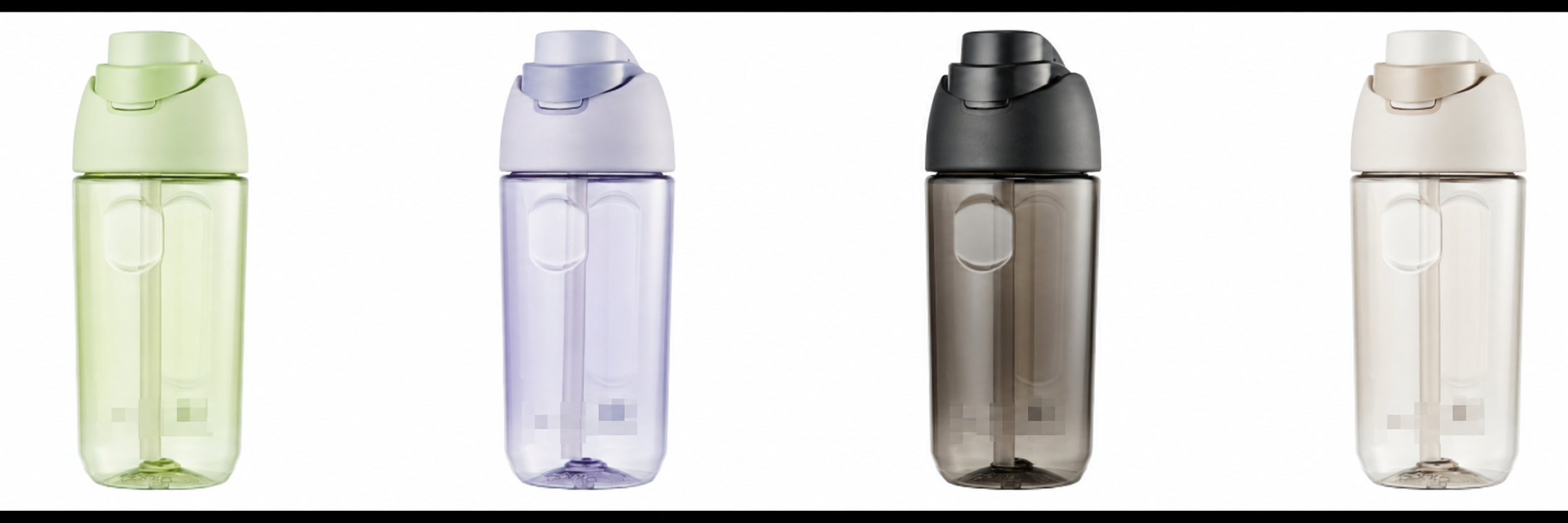
A high-quality Tritan bottle should be lightweight, durable and easy to use. Whether it is designed as a daily water bottle, an active sports bottle or a practical reusable bottle, leak-proof performance is one of the most important features for consumers.
However, the Tritan material itself does not guarantee that a bottle will never leak. Reliable sealing depends on the bottle structure, lid design, silicone gasket, tooling precision and product testing.
1. Choose Stable Tritan Material
Tritan is widely used for reusable water bottles because it offers excellent clarity, impact resistance and durability. It is suitable for sports, school, travel, work and everyday hydration.
Stable material performance also helps maintain consistent bottle dimensions during production, ensuring a better fit between the bottle body and lid.
2. Design a Reliable Sealing System
Most leaks occur around the bottle opening, lid, drinking spout or straw connection. A leak-proof Tritan water bottle should therefore include a carefully designed sealing system.
Depending on the product structure, this may include:
- Food-grade silicone sealing rings
- A secure drinking spout
- A tight straw connection
- Precise lid threads
- A locking mechanism to prevent accidental opening
A reliable sports bottle often uses several sealing features together to provide better protection against leakage during movement.
3. Ensure Precise Bottle and Lid Fitting
The bottle neck, lid threads and sealing ring must be accurately matched. If the components are not properly fitted, even a high-quality gasket may not prevent leakage.
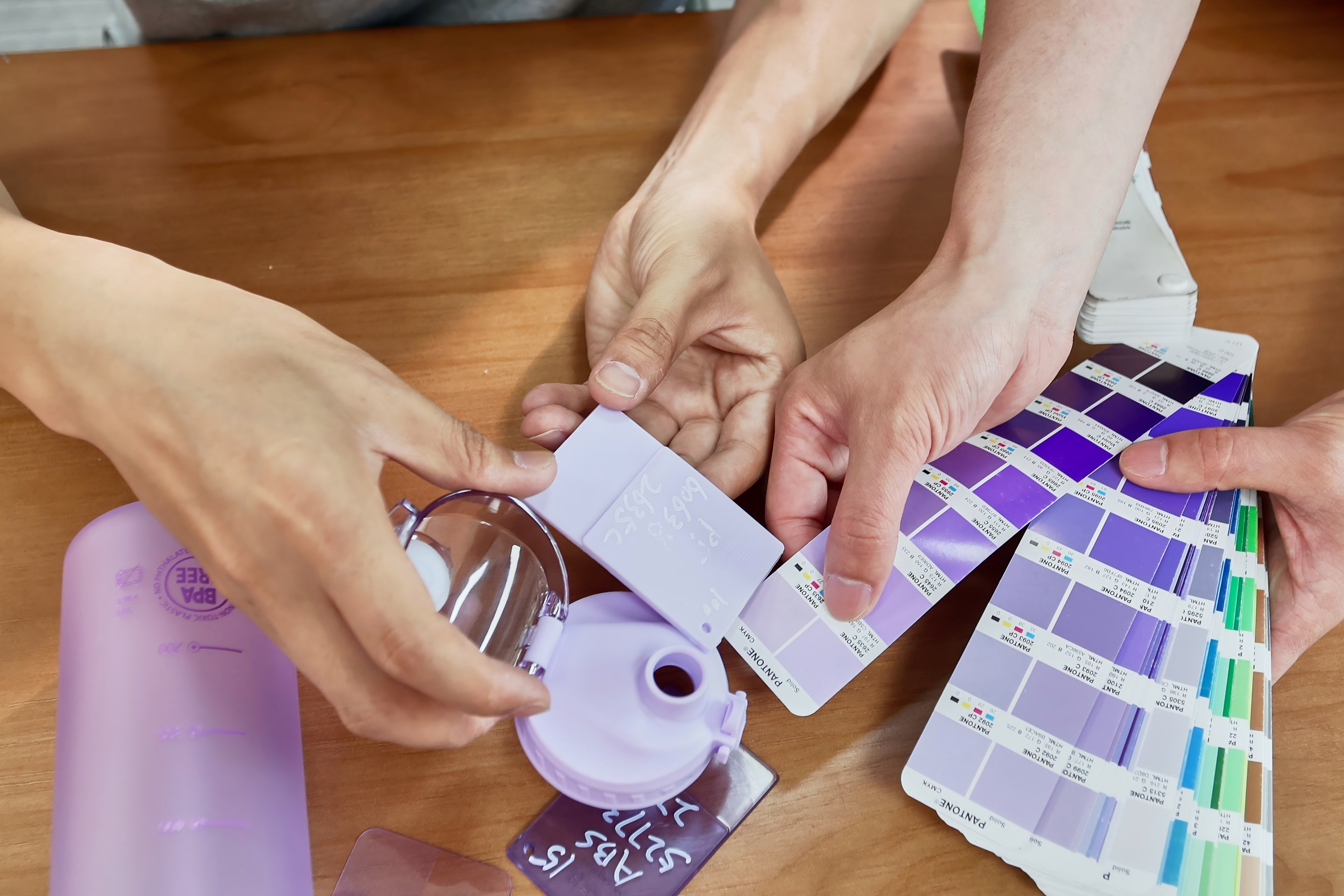
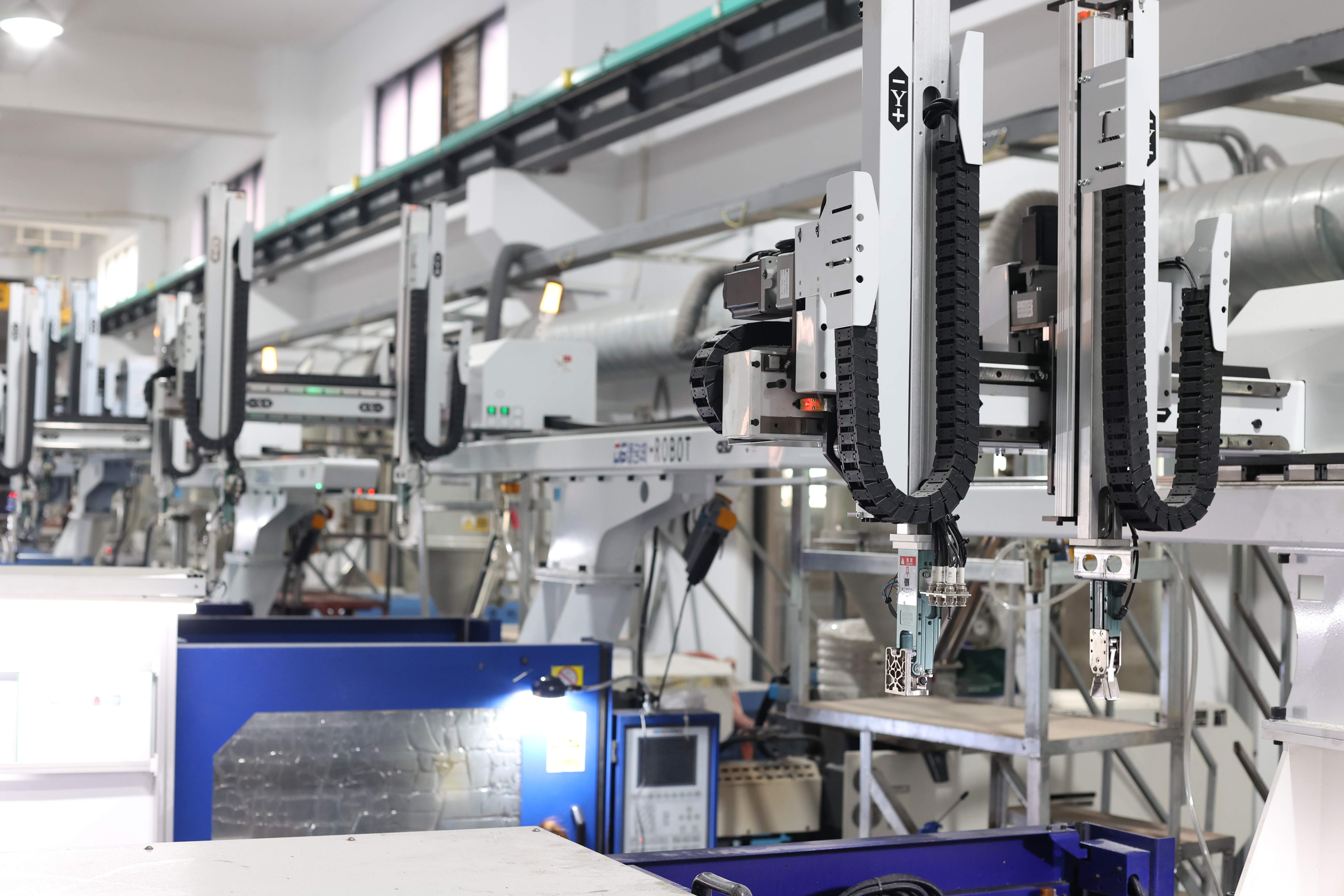
During the development of a reusable bottle, accurate engineering, mold development and repeated assembly testing are essential. These processes help ensure consistent sealing performance during daily use.
4. Select the Right Silicone Gasket
The silicone gasket is an important part of any leak-proof water bottle. Its material, hardness and shape should be matched to the lid structure.
A gasket that is too hard may not create enough contact pressure, while one that is too soft may deform or move during use. Proper gasket design helps improve both leak resistance and product durability.
5. Test the Water Bottle in Real Conditions
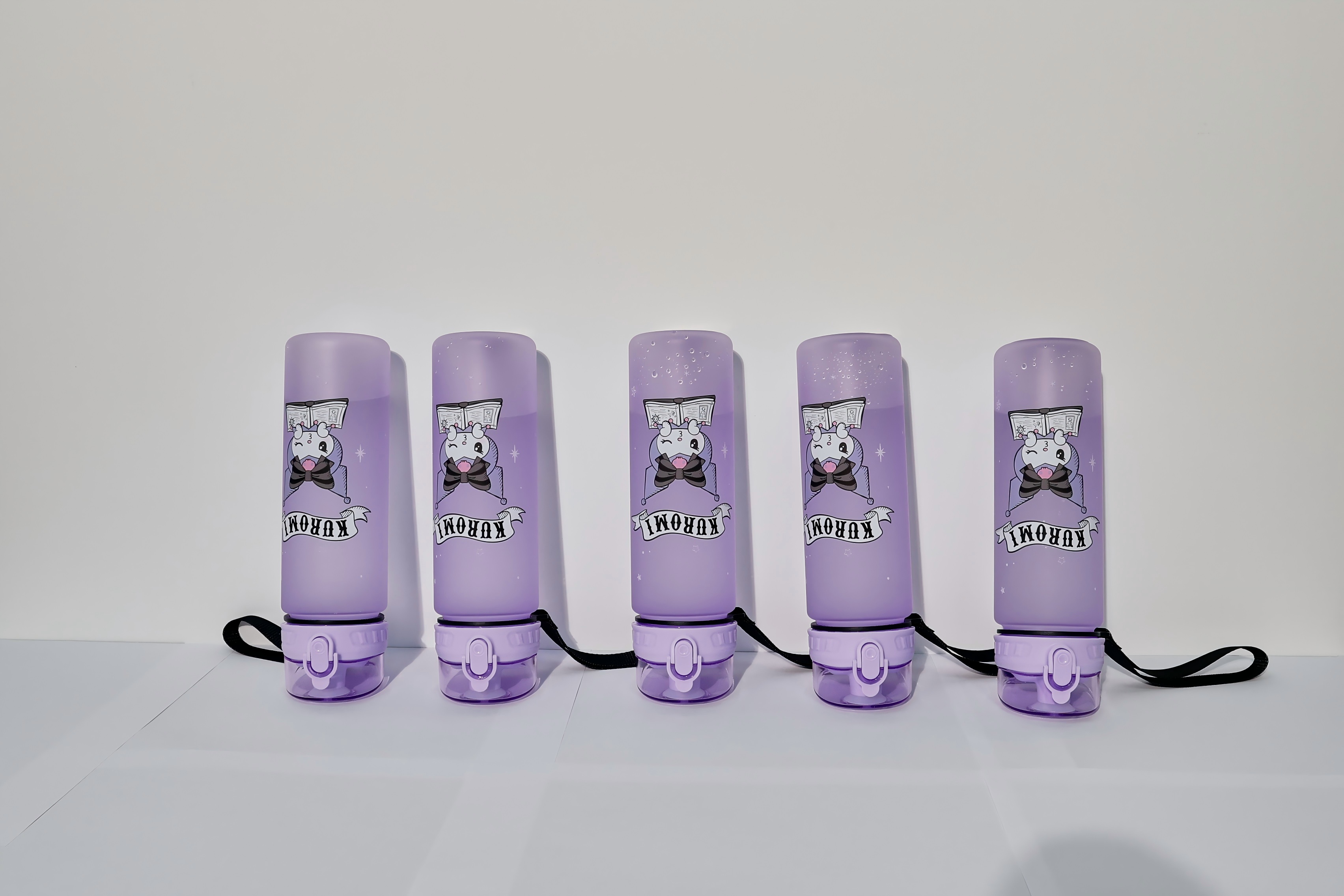
A water bottle may be shaken inside a backpack, turned upside down, dropped or exposed to different temperatures. Therefore, testing should go beyond simply filling the bottle with water.
Common tests include:
- Upside-down leak testing
- Shaking and transportation simulation
- Drop testing
- Lid opening and closing cycle testing
- Temperature resistance testing
- Dishwasher and cleaning tests
These tests help identify possible problems with the lid, sealing ring and drinking spout before mass production.
Conclusion
Creating a leak-proof Tritan bottle requires more than choosing a durable material. It depends on thoughtful product design, precise tooling, reliable sealing components and realistic testing.
From a daily reusable bottle to a high-performance sports bottle, every detail contributes to a better drinking experience. With professional engineering and quality manufacturing, brands can develop water bottles that are durable, practical and dependable for everyday use.
How to Test the Sealing Performance of a Tritan Water Bottle
How to Choose the Right Tritan Bottle and Sports Bottle Supplier