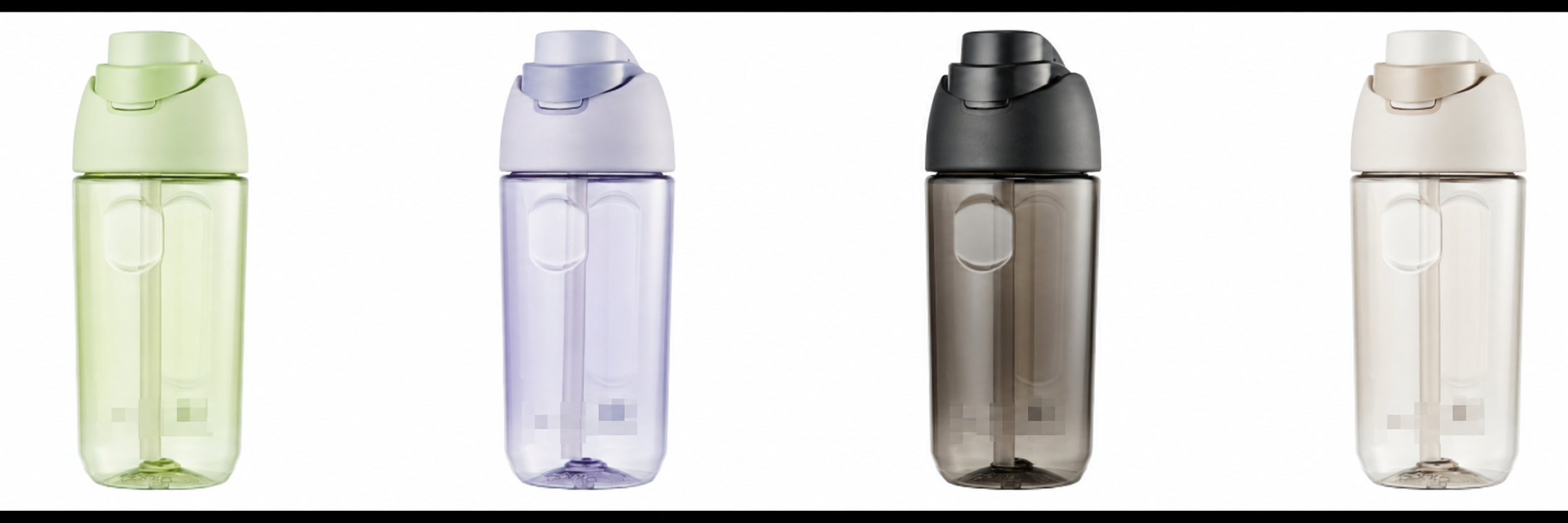
How to Control the Color of Different Components on Tritan and Sports Water Bottles
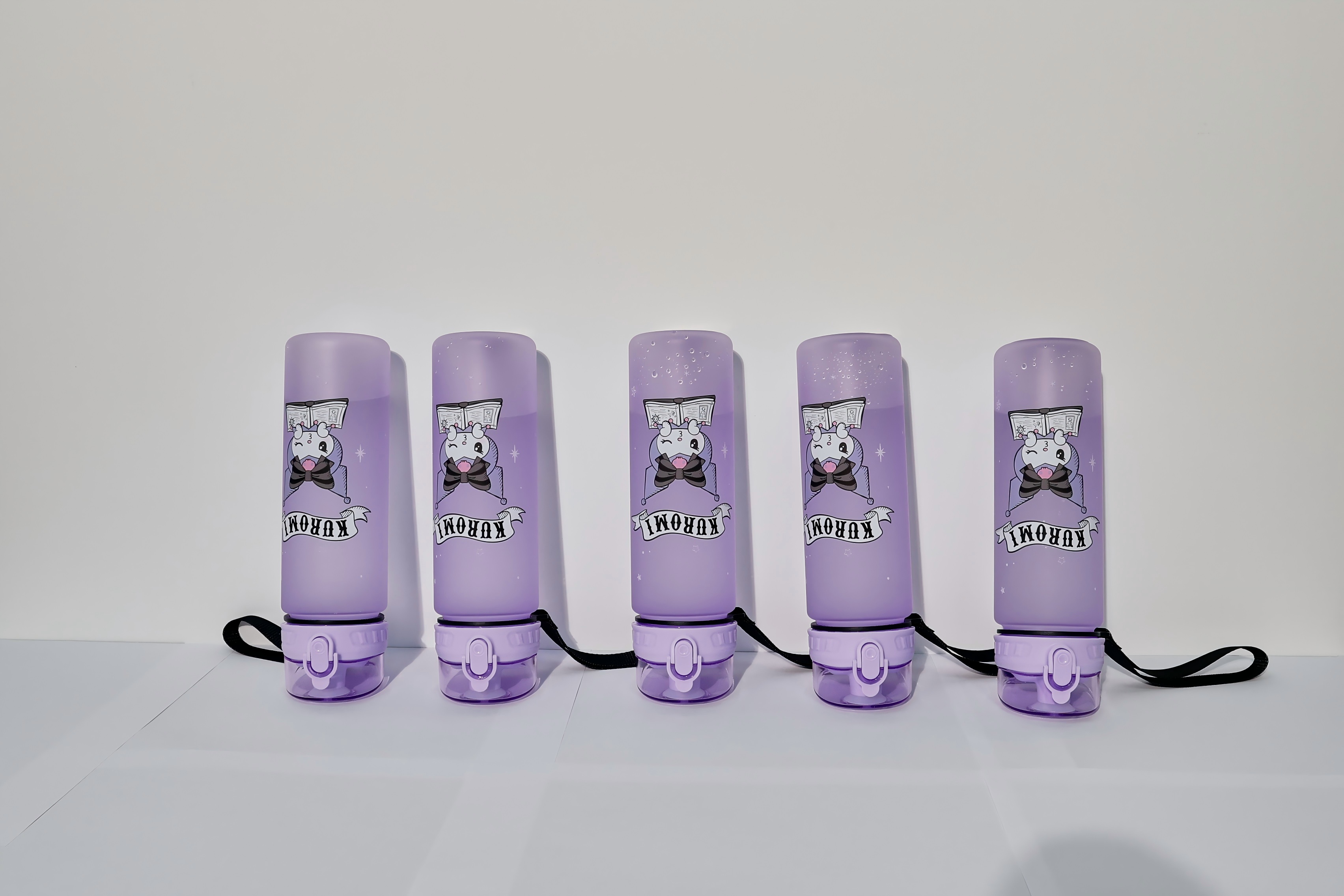
When developing a Tritan water bottle or sports water bottle, color is more than a finishing detail. The color of the bottle body, lid, straw, silicone seal, button, lock and logo all work together to create the final product experience.
A well-controlled color system makes a bottle look more premium, strengthens brand recognition and helps an entire product collection appear consistent on the shelf or online. However, different components are made from different materials and processed in different ways. This means that color control must be planned from the first design discussion through to mass production.
Why color control is important for water bottle development
Many reusable water bottles include several visible components. A typical sports bottle may contain:
-
A Tritan or other plastic bottle body
-
A PP, PC, ABS or Tritan lid
-
A straw or mouthpiece
-
A silicone seal or silicone ring
-
A carry handle, strap or locking button
-
A printed, coated or laser-marked logo
-
A base, protective sleeve or decorative ring
If each part is developed separately, the final color may look unbalanced. A lid may appear too dark, a silicone ring may be too bright, or a logo may lose contrast against the bottle body.
For this reason, color should be treated as a complete product system rather than a single color applied to one part.
1. Start with a clear color design brief
The first step is to define which components need to match and which components should provide contrast.
For example, a brand may choose:
-
A transparent blue Tritan bottle body
-
A darker blue lid
-
A soft grey silicone seal
-
A white logo and measurement marking
-
A matching retail package
Another brand may prefer a monochromatic sports bottle, with the lid, straw and silicone parts all using different shades of the same color family.
Before sampling, the development team should confirm the color reference, surface finish, logo color, gloss level and acceptable color tolerance for every visible component.
2. Control the color of the Tritan bottle body
Tritan is widely used for reusable water bottles because it can provide a lightweight, clear and durable appearance. Its transparency also creates special color effects that are different from opaque plastic.
The bottle body can usually be developed in three main ways:
Transparent or translucent color
A small amount of color masterbatch can be added during injection molding to create a transparent or translucent effect. This is suitable for brands that want to show the water level or create a lightweight, modern appearance.
The final color can be affected by the wall thickness, resin condition, processing temperature and amount of masterbatch. These factors should be controlled consistently during production.
Solid color through injection molding
For an opaque Tritan bottle, color masterbatch is mixed with the resin before injection molding. This can create a stable solid color without adding a separate coating process.
The material ratio, molding conditions and resin drying process all influence the final result. A production sample should be approved before mass production begins.
Surface decoration or coating
Some designs require a special color, gradient, graphic or tactile effect. In these cases, the bottle may use spray coating, UV decoration, printing or another surface treatment.
This approach offers more visual possibilities, but the decoration must be tested for adhesion, abrasion resistance, dishwasher performance and daily handling.
3. Match the lid and functional components
The lid is often the strongest visual contrast on a sports water bottle. It may include several separate parts, such as a flip cover, straw, spout, button, lock and handle.
Each material may require a different color-control method:
-
PP and PC parts can use color masterbatch or surface decoration.
-
Silicone seals and mouthpieces require silicone-specific color matching.
-
ABS or other rigid parts may use injection molding, painting or UV finishing.
-
Metal buttons or rings may use plating, anodizing or other treatments.
The color of every part should be checked beside the actual bottle body. A color that looks correct on a white sample card may appear different next to transparent Tritan, a matte surface or a dark coating.
For products with a dual-drink lid or a secure locking system, the color plan should also consider how the functional parts appear when the lid is open, closed and in use.
4. Use Pantone references and physical samples
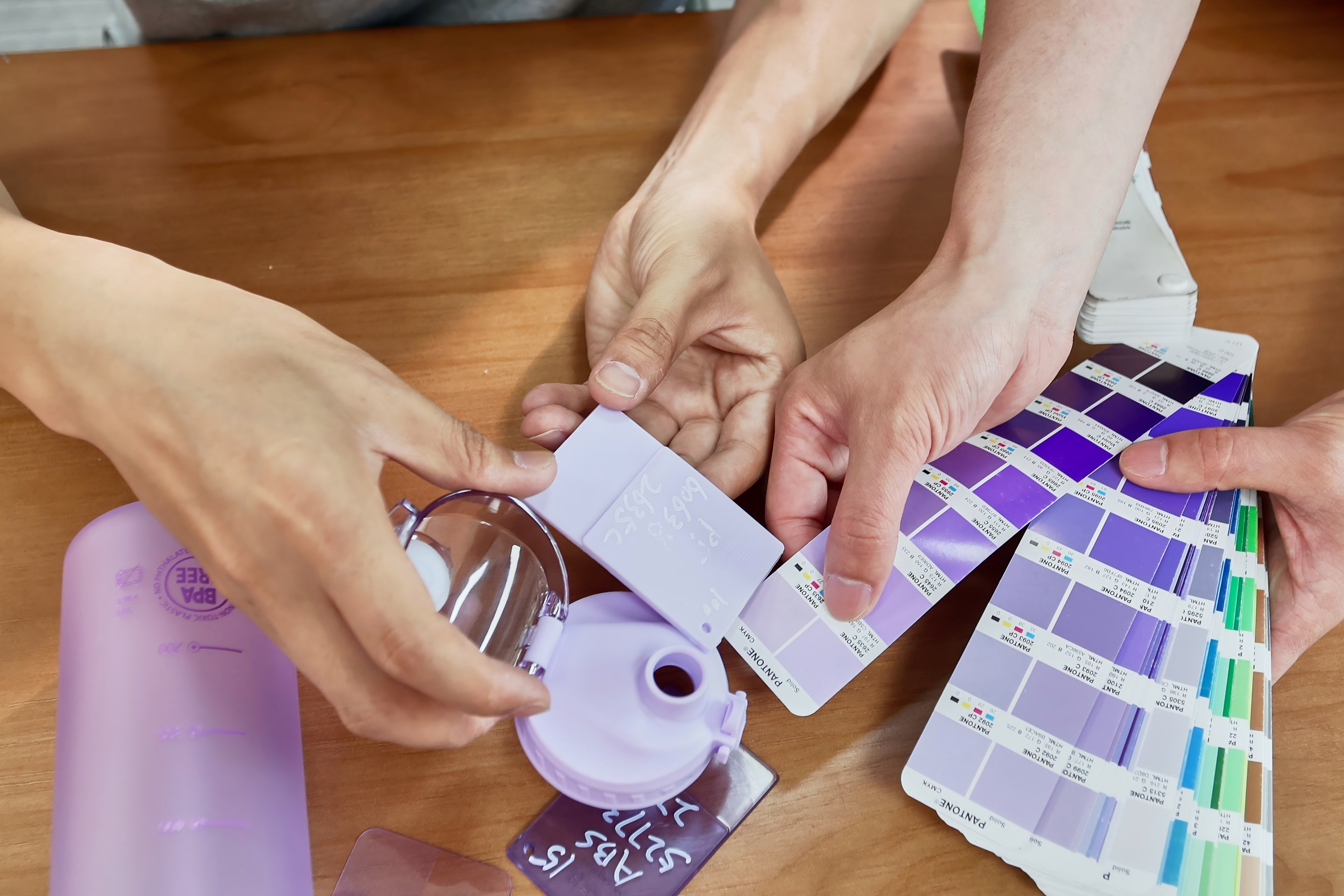
Pantone references are useful for communicating the target color between a brand, designer and manufacturer. They create a common starting point for the project, especially when a product includes multiple suppliers or production locations.
However, a Pantone reference is not a guarantee that every material will look exactly the same. The same color may appear different on:
-
Transparent Tritan
-
Opaque PP
-
Soft silicone
-
Matte coating
-
Glossy coating
-
Brushed or metallic surfaces
The most reliable process is to use the Pantone reference together with physical color chips and production-intent samples. The team can then evaluate the color under different lighting conditions and beside the other bottle components.
5. Consider finish as well as color
Color and surface finish are closely connected. A glossy surface can make a color look brighter and more saturated, while a matte or brushed finish can make the same color appear softer and more premium.
Common finishes for Tritan and sports bottles include:
-
Natural transparent or translucent finish
-
Glossy injection-molded finish
-
Matte coating
-
Frosted effect
-
Brushed or metallic decoration
-
UV printing or graphic decoration
-
Laser marking on compatible components
During approval, the color and finish should be reviewed together. Approving the color alone may create a different result after the final surface treatment is applied.
6. Coordinate the logo, graphics and packaging
The logo should be considered part of the color system. Depending on the product surface and brand requirements, it may be applied by screen printing, UV printing, heat transfer, embossing, laser marking or another decoration method.
The logo must have enough contrast to remain clear on the bottle body. For transparent Tritan, the background, water level and lighting can all affect readability. White, black, metallic and brighter graphic colors may need to be tested on the actual bottle shape.
For product families, coordinated colors between bottles, lunch boxes, accessories and retail packaging can create a stronger collection. Shared color references also make future product extensions easier to manage.
7. Build a color approval process before mass production
A practical color-control process usually includes the following stages:
-
Confirm the design concept and color references.
-
Define the target color for every visible component.
-
Select the correct material, masterbatch or decoration method.
-
Produce color samples using the intended production process.
-
Review the samples under different lighting conditions.
-
Approve the color, finish and decoration in writing.
-
Check the first production pieces against the approved standard.
-
Monitor color consistency during injection molding, decoration and assembly.
Color measurement tools can also support supplier pre-checks and quality control. For larger programs, the brand and manufacturer may agree on a measurable color tolerance, such as a Delta value, together with visual approval standards.
Color control begins with product engineering
Consistent color is not achieved by decoration alone. It depends on material selection, mold design, injection molding conditions, surface treatment, component assembly and quality control.
At Gomont, we combine product design, structural engineering, in-house tooling, injection molding and decoration support to develop Tritan bottles, plastic bottles and sports water bottles for global brands. Our engineering-led approach helps teams coordinate the bottle body, lid, silicone components, graphics and packaging as one complete product system.
From the first color concept to production approval, every detail matters. When color is planned together with structure, materials and manufacturing, the final reusable bottle can look distinctive, function reliably and remain consistent across the entire product range.
Custom Tritan Bottle Development: A Dual-Drink Sports Bottle with Flexible Branding
How to Test the Sealing Performance of a Tritan Water Bottle