From Concept to Production: How a Water Bottle Is Developed

From Concept to Production: How a Water Bottle Is Developed
Every successful water bottle starts with an idea—but turning that idea into a reliable, market-ready product requires much more than an attractive sketch.
From defining the user experience to engineering the lid, selecting materials, developing tooling and testing performance, every decision influences the final quality of a bottle.
At Gomont, we combine design, engineering, tooling and manufacturing to support global brands with complete OEM and ODM water bottle development.
How Is a Water Bottle Developed?
A custom water bottle normally moves through seven key stages:
-
Market and user research
-
Product concept development
-
Industrial design
-
Engineering and material selection
-
Prototyping and tooling
-
Product testing and improvement
-
Mass production and quality control
Each stage connects the original product idea with practical manufacturing requirements.
1. Understanding the Market and User
Before creating a design, we first consider where, how and by whom the bottle will be used.
A school bottle may need an easy-to-open lid and leakproof construction. A gym bottle should support convenient one-handed drinking, while an outdoor or sports bottle may require stronger impact resistance, a secure carrying handle and a higher flow rate.
Important questions include:
-
Who is the target consumer?
-
Where will the bottle be used?
-
What capacity is required?
-
How should the user drink from it?
-
What are the target price and market position?
-
Which food-contact and performance standards must it meet?
Clear answers at this stage help prevent unnecessary changes later in development.
2. Turning an Idea into a Product Concept
The first concept may begin with a hand sketch, a reference image, a market requirement or an existing bottle that needs improvement.
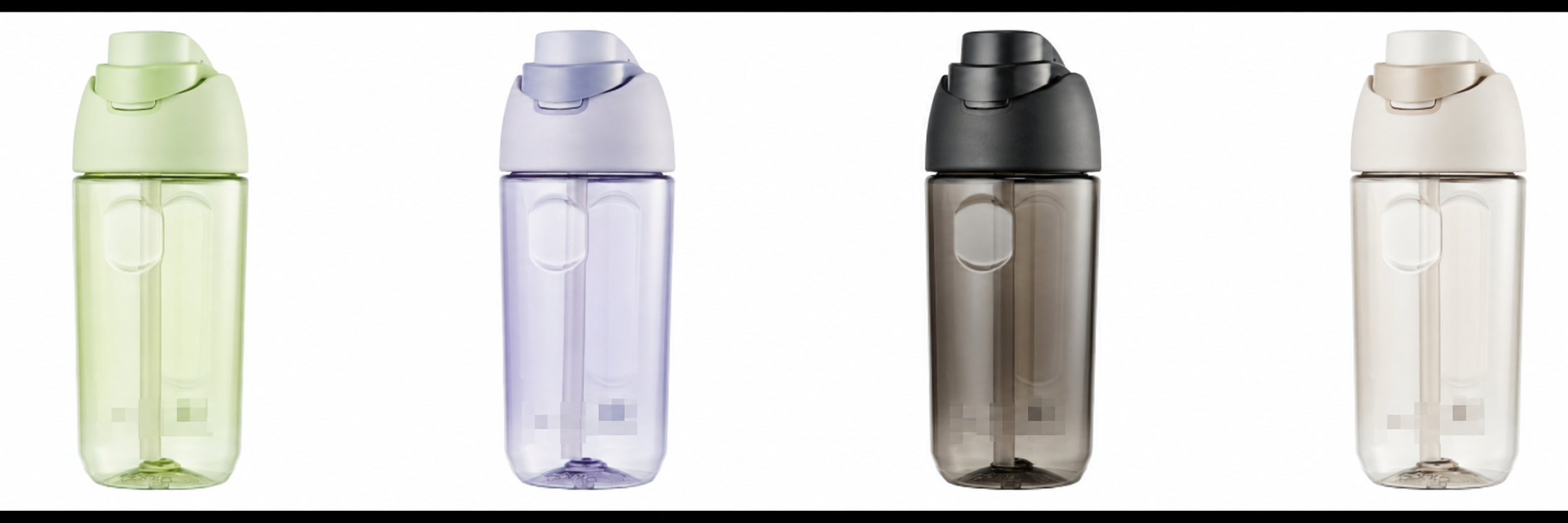
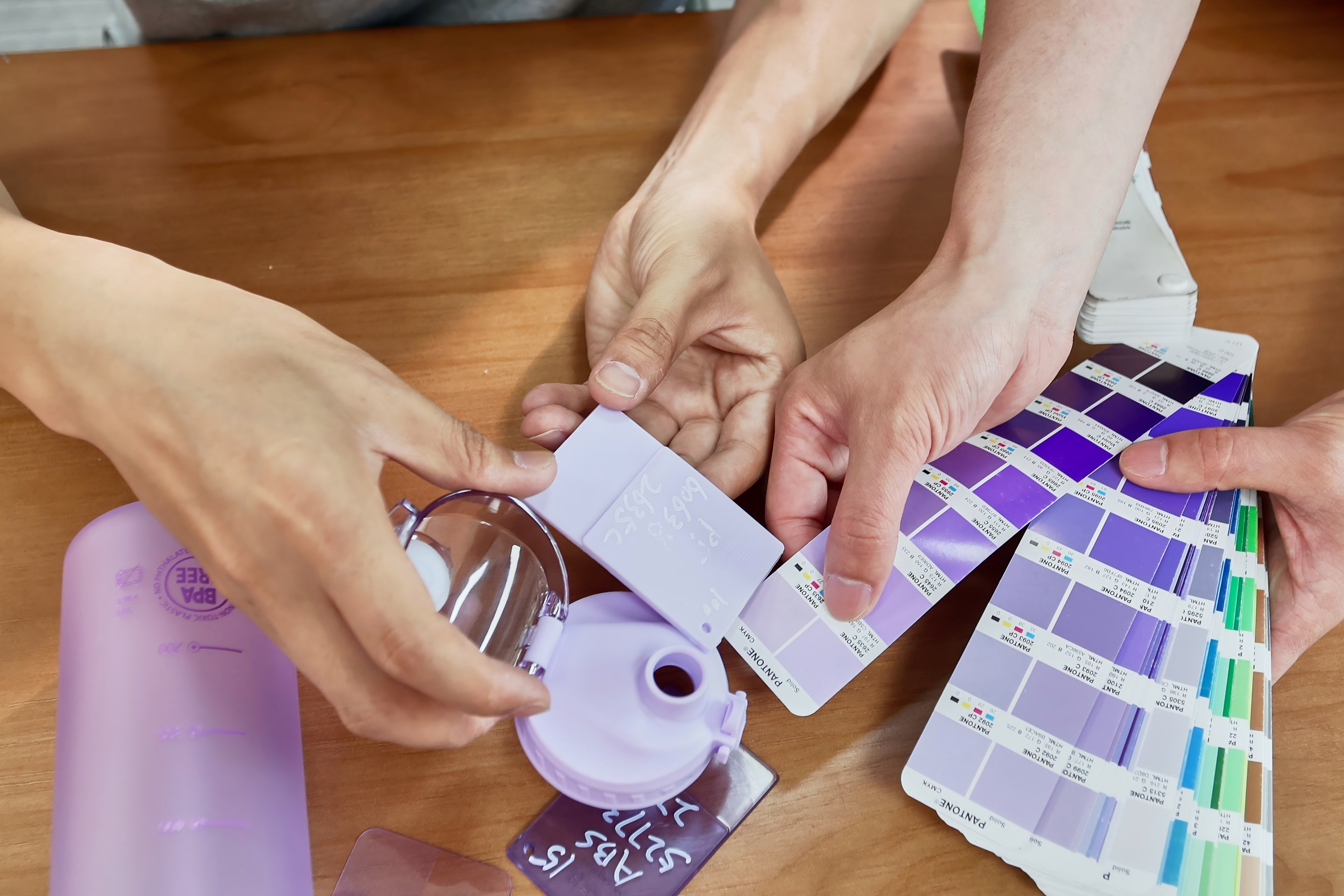
During ODM water bottle development, our designers explore the overall shape, capacity, lid structure, grip, carrying method, color direction and brand identity.
For OEM projects, we can work with a customer’s existing drawing or specification and prepare it for practical production.
The objective is not simply to create a bottle that looks different. A successful hydration product should solve a clear user need and provide a comfortable, intuitive drinking experience.
3. Industrial Design and User Experience
Once the product direction is confirmed, the concept is developed into a more detailed industrial design.
At this stage, we evaluate:
-
Bottle proportions and visual identity
-
Grip comfort and one-handed operation
-
Drinking angle and water flow
-
Lid opening and locking mechanisms
-
Carry handle or strap position
-
Cleaning and assembly requirements
-
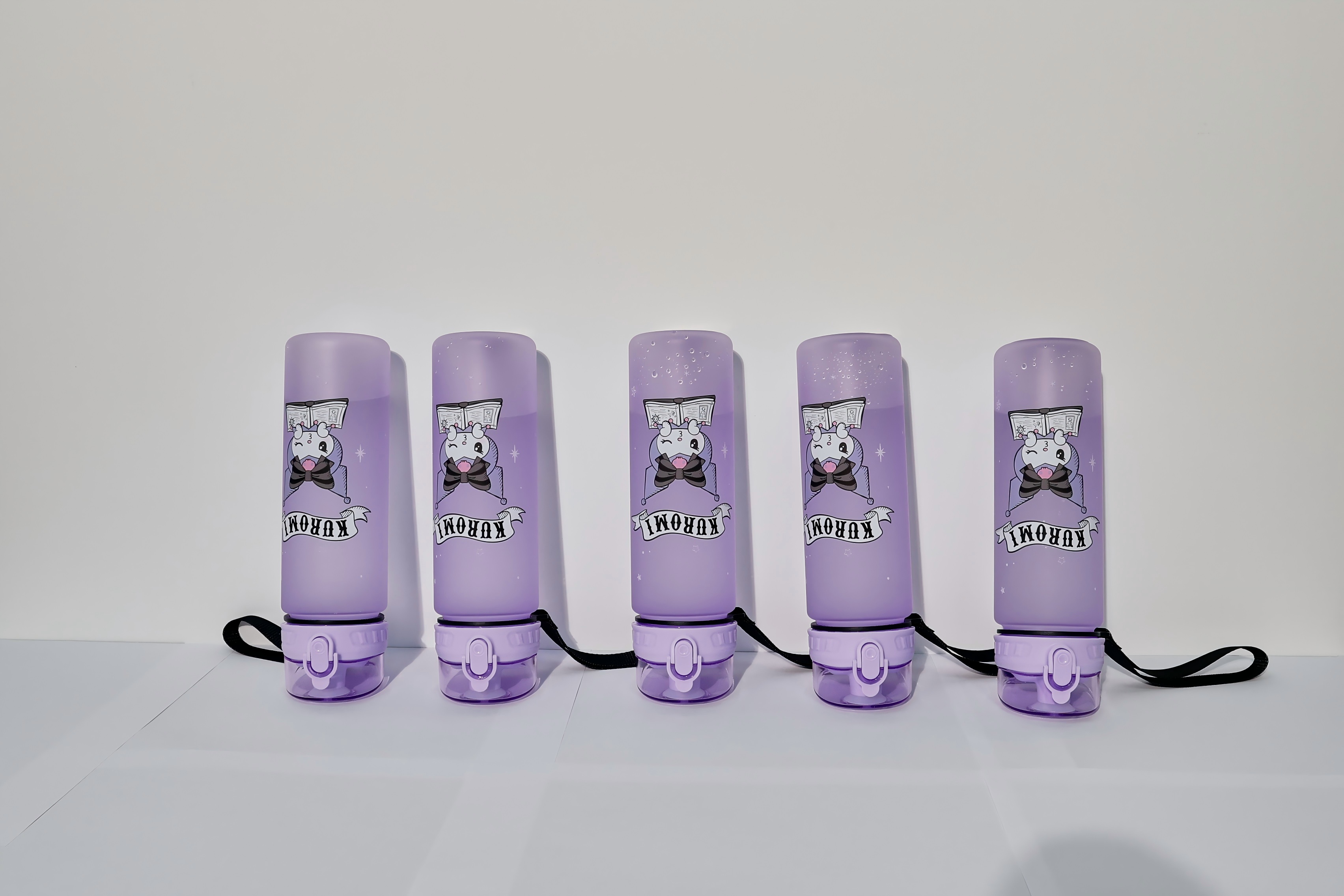
Space for logos, graphics and surface finishes
For a sports bottle, the lid is especially important. It is often the first part the consumer touches and can strongly influence their perception of the product’s quality.
A good design must therefore balance appearance, usability and manufacturing feasibility.
4. Engineering and Material Selection
After the appearance is defined, engineers develop the internal structure and convert the concept into manufacturable components.
This includes evaluating wall thickness, sealing surfaces, thread dimensions, hinge strength, assembly tolerances and the connection between every part.
Materials are selected according to the intended application. Common options include:
-
Tritan or PCTG for clear reusable bottles
-
PP for lids, handles and functional components
-
Silicone for seals, straws and soft-touch parts
-
Stainless steel for insulated hydration products
Material selection affects clarity, durability, impact resistance, heat resistance, cost and food-contact compliance. The best choice depends on the product’s target market and performance requirements—not only the raw-material price.
5. Prototyping and Tooling Development
Before production tooling begins, prototypes can be used to review the product’s size, appearance, grip and basic functionality.
After the structure is approved, tooling development starts.
Because Gomont’s manufacturing background began with molds, we pay close attention to mold structure, material selection, component accuracy and future maintenance. Modular tooling can also support product-family development, allowing brands to create different bottle sizes, lid options or future product updates more efficiently.
Trial samples are then produced to check:
-
Component fit and assembly
-
Lid opening and closing
-
Sealing performance
-
Surface appearance
-
Dimensions and tolerances
-
Production stability
Any necessary improvements are completed before final production approval.
6. Testing the Water Bottle
A bottle should not enter mass production simply because it looks correct.
Depending on its design and target market, testing may include:
-
Leakage testing
-
Drop and impact testing
-
Lid fatigue-cycle testing
-
Handle and strap strength testing
-
Dishwasher testing
-
Temperature testing
-
Food-contact testing
-
Packaging and transportation testing
For a sports bottle or everyday hydration product, repeated-use testing is particularly important. It helps identify weaknesses in hinges, locks, seals and moving components before the product reaches consumers.
7. From Approved Sample to Mass Production
Once the final sample has been approved, the project moves into mass production.
Production quality depends on controlled materials, stable molding parameters, accurate assembly and consistent inspection standards.
Quality control may cover incoming materials, molding, printing, assembly, functional testing, packaging and final inspection.
The goal is to ensure that the bottle produced in large quantities performs consistently with the approved sample.
OEM vs ODM Water Bottle Development
OEM water bottle manufacturing is suitable for brands that already have their own product design, drawings or detailed specifications. The manufacturer focuses on engineering, tooling and production according to those requirements.
ODM water bottle development is suitable for brands that need more support with product concepts, industrial design, structure, materials or customization.
Gomont can also combine both approaches—for example, using an existing bottle structure while developing a customized lid, color system, graphic design or accessory solution.
Why an Integrated Development Process Matters
When design, engineering, tooling and production are considered separately, problems may only become visible after significant time and investment.
An integrated development process helps brands:
-
Identify technical risks earlier
-
Improve usability and durability
-
Control tooling and production costs
-
Shorten communication between development stages
-
Create a more consistent final product
-
Build a scalable hydration product family
At Gomont, we support the complete journey from the first product idea to reliable mass production.
Frequently Asked Questions
How long does custom water bottle development take?
The timeline depends on the product structure, number of components, tooling requirements and testing standards. A fully customized bottle usually requires concept development, engineering, prototyping, tooling trials and approval before mass production.
Can an existing water bottle design be customized?
Yes. Existing designs can often be customized through colors, graphics, surface finishes, packaging and selected components. A new lid or other structural modification may require additional tooling.
What materials are commonly used for sports bottles?
Tritan, PCTG and PP are commonly used for plastic sports bottles, while stainless steel is suitable for insulated bottles. Silicone is frequently used for seals, straws and soft components.
What is the most important part of a water bottle design?
Every part matters, but the lid usually has the greatest influence on drinking experience, leak prevention, cleaning and perceived product quality.
Does Gomont support both OEM and ODM projects?
Yes. Gomont supports OEM manufacturing based on customer designs as well as ODM development covering product concepts, industrial design, engineering, tooling, testing and production.
From an Idea to a Product Built to Last
A successful water bottle is created through a series of connected decisions—from understanding the user to refining the smallest sealing detail.
By combining product design, engineering experience, tooling expertise and controlled manufacturing, Gomont helps brands transform hydration ideas into reliable products ready for the market.
Design. Engineering. Manufacturing. Built to last.
Are Tritan Water Bottles Safe? Material, Dishwasher Use and Benefits
Why Tritan Is a Better Material for Reusable Water Bottles